Welcome to shopicat Mall!
Welcome to shopicat Mall!
Cart
CloseYour shopping cart doesn't have any products yet!!
A strap-on is a sexual accessory used by many couples and partners to explore intimacy—whether in female-female, male-male, or heterosexual relationships. As a beginner, understanding the right way to choose, use, clean, and communicate about these products can make a huge difference in safety and comfort. This guide covers the basics in four key areas: foundational knowledge, safety and hygiene, communication and comfort, and purchasing advice.
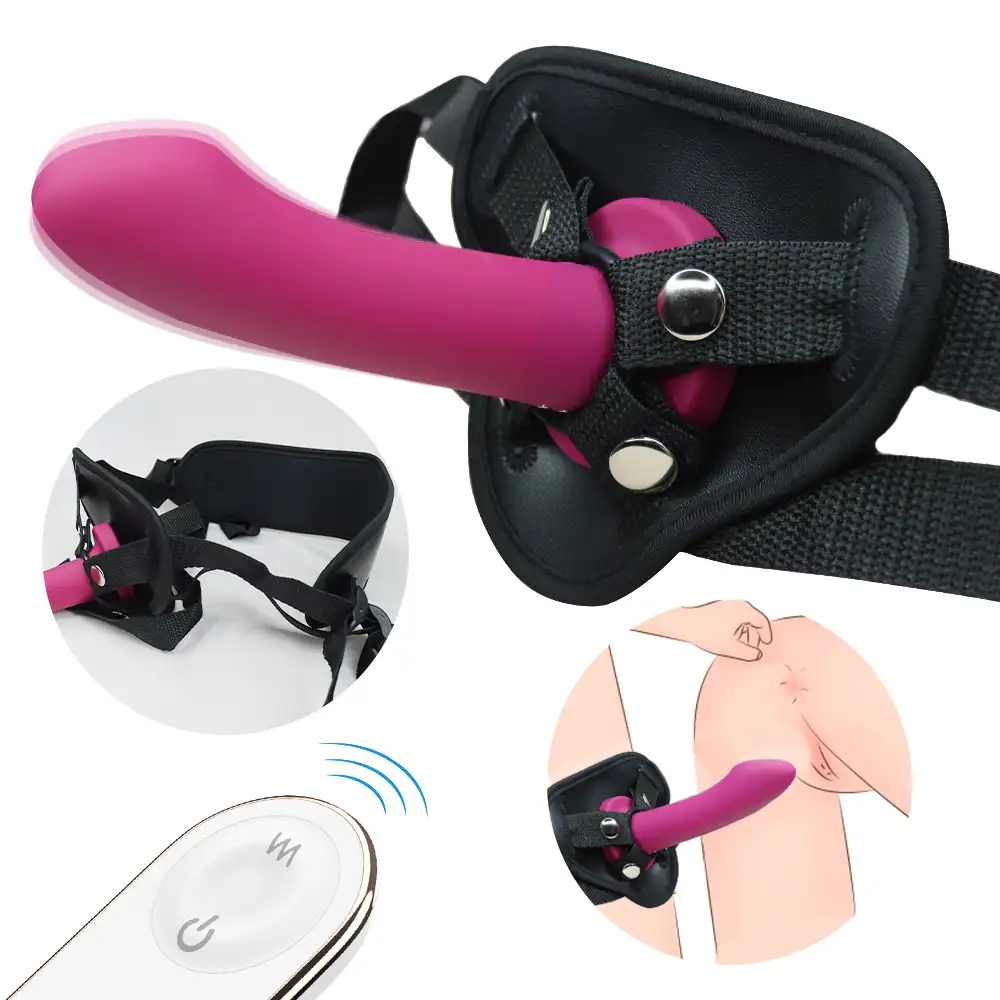
A strap-on typically consists of two parts:
Dildo – the part that makes physical contact with the body
Harness – the strapping device that secures the dildo to the wearer
These can be two-piece systems (dildo and harness purchased separately for full customization) or all-in-one sets (pre-assembled, easier for beginners).
Silicone (medical-grade) is the most common and highly recommended material. It is non-porous, easy to clean, soft yet realistic in feel, hypoallergenic, and durable. The main drawback is its higher cost, but it is widely considered the safest and most skin-friendly option.
TPE/TPR (thermoplastic elastomer) is soft and inexpensive, which makes it appealing at first glance. However, it is micro-porous, meaning it can trap bacteria and is much harder to sanitize. For this reason, it is not recommended for sharing between partners.
ABS plastic, metal, and glass are non-porous and easy to disinfect, making them hygienic choices. The trade-off is that they are rigid and firm, which may not suit beginners who are still getting used to the sensation.
PVC and latex are cheap materials that were more common in older products. They may contain plasticizers and can cause allergic reactions in some people, so they are no longer widely recommended.
Beginner's best bet: Choose medical-grade silicone. The price is higher, but the durability and low health risks are well worth it.
A common beginner mistake is assuming "bigger is better." In reality, starting smaller is almost always the better approach.
For length, start with a total length of about 12–15 cm (4.5–6 inches), with a shorter insertable portion. For diameter or circumference, aim for a diameter of about 3 cm (circumference roughly 9–10 cm, or 3.5–4 inches) – slim and beginner-friendly. For shape, choose a design with a rounded tip that gradually widens, rather than a straight, uniform cylinder. This tapered shape is much more comfortable for first-time use.
Once you and your partner gain experience and comfort, you can always size up later. There's no rush.
Triangle or thong style harnesses have minimal strapping, similar to a thong, and are easy to put on. They are best for beginners and lightweight use.
Brief or boxer style harnesses provide more coverage like underwear and offer a secure, stable fit. They are ideal for longer sessions or for those who want more coverage and support.
Double-strap or universal harnesses have rings on both sides, and some support double-ended dildos. They work well for partners who both want penetrative play.
Thigh or leg harnesses attach to the thigh for specific positioning and are suited for niche scenarios.
For beginners: Start with a triangle/thong style or brief-style harness. They are easy to put on, adjust, and size correctly.
For silicone products, wash with warm water and unscented, neutral soap. Most medical-grade silicone can also be boiled for 5–10 minutes or sanitized with toy-safe sprays. After cleaning, air-dry and store in a breathable pouch. Avoid storing different silicone toys touching each other, as different formulations can react and degrade over time.
For TPE/TPR products, do NOT boil them. Hand-wash only with warm water and mild soap. They must be thoroughly dried after washing, and it is highly recommended to always use a condom with TPE/TPR toys, as their micro-pores can trap bacteria.
For harness fabrics such as nylon or cotton, check the care label. Many are machine-washable (use a lingerie bag) and should be washed separately from regular laundry.
Lubricant is essential – it reduces friction, prevents injury, and makes the whole experience much more enjoyable.
With silicone dildos, use water-based lube only. Silicone-based lube will damage the surface of silicone toys, causing them to become sticky or degrade over time.
With TPE, ABS plastic, glass, or metal, either water-based or silicone-based lube works.
When in doubt, always go with water-based lube – it is universally safe, easy to clean, and the safest choice for any toy material.
Use condoms on the toy – even with high-quality silicone, condoms make cleanup much faster and reduce infection risk when switching between partners or between anal and vaginal use. Always change the condom when moving between anal and vaginal penetration, and clean the toy thoroughly in between.
Do not share un-sanitized toys, especially with porous materials like TPE. If sharing, use a new condom each time and sanitize thoroughly.
Inspect your toys regularly. If silicone becomes sticky, discolored, or develops an odor, it is time to retire the toy and buy a new one.
Open, honest conversation matters more than any technique. Talk about:
Expectations: What do you both want to try? What is off-limits?
Boundaries: Which positions, intensity levels, and scenarios feel okay? Which are hard no's?
Safe words: Agree on a safe word that would not naturally come up in conversation (for example, "red light"). When said, everything stops immediately.
A popular system is the traffic light system:
Red = full stop, right now
Yellow = slow down, check in
Green = all good, keep going
Start small and slow. Give the receiving partner's body time to relax and adjust.
Lots of foreplay is key. A relaxed body is far more comfortable and less injury-prone.
For the wearer, pay close attention to angle, speed, and your partner's reactions. It is not about your own rhythm – it is about mutual comfort. Use your core and hips for steady, controlled movement rather than relying on arms or sudden forceful thrusts. Smooth is better than fast.
If you experience pain or stinging, the likely causes are not enough lube, tension, or a size that is too large. The fix is to add more lube, extend warm-up time, and switch to a smaller toy.
If the angle feels awkward, the harness positioning may be off or the position itself may not be working. Adjust the harness fit and try different positions.
If the harness slips or loosens, the size may be wrong or the straps may not be tightened enough. Readjust the straps, or consider a different harness style.
If discomfort increases during use, it means warning signs are being ignored. Pause immediately, communicate with your partner, and use the safe word if needed.
Pain is a signal – never ignore it. Do not feel pressured to "finish" just because you have started. Checking in and adjusting is always more important than powering through.
All-in-one sets (harness + dildo included) save you the guesswork of matching sizes. They are a great starting point for beginners.
Look for products that clearly state "medical-grade silicone" – this is the gold standard for safety and durability.
Choose harnesses with adjustable straps – they are more forgiving on sizing and fit a wider range of body types.
Check material specifications carefully. Legitimate sellers clearly state materials (for example, "100% medical-grade silicone"). Vague descriptions or suspiciously low prices are red flags.
Read reviews in detail. Look for mentions of strong odors, stickiness, discoloration, or poor fit – these are signs of low-quality materials.
Buy from reputable retailers. Choose established sex-toy retailers with good customer service, clear return policies, and genuine product descriptions. Avoid unknown sellers with no track record.
Do not chase the lowest price. This is something that makes direct contact with your body. It is worth investing in material safety. You can save money on the harness, but prioritize quality for the dildo itself.
Using a strap-on is a journey that requires patience, practice, and communication – especially for beginners. Getting the basics right – choosing safe materials, using plenty of lubricant, keeping things clean, and prioritizing both partners' comfort and boundaries – matters far more than trying to rush toward advanced techniques.
Start slow, check in often, and remember: the goal is mutual pleasure and connection, not performance. When both partners feel safe, respected, and comfortable, the experience becomes something truly enjoyable.

 English
 简体中文
简体中文 繁体中文
繁体中文